• 2 min de lectura
• 2 min de lectura
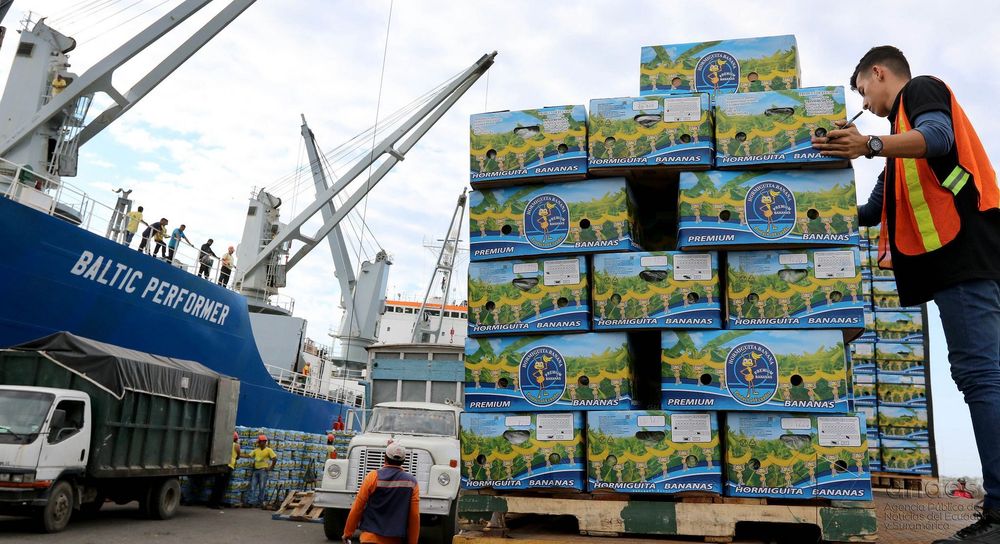
The Ecuadorian export sector is experiencing an operational asymmetry, with an increase in containerized cargo volumes while simultaneously seeing a contraction in foreign exchange returns. This trend is altering logistical planning in port terminals, which are absorbing a greater flow of tons without a correlated financial growth. Shipping lines and multimodal transport operators are adapting their operational capacities to mobilize a surplus of products in an environment of tight margins.
Data from the Ecuadorian Federation of Exporters (Fedexpor) details that between January and March 2026, the total volume transported grew by 7%. However, the overall revenue from non-oil, non-mining shipments decreased by 5% due to a generalized weakening of international prices. This complex macroeconomic scenario responds to the contraction recorded in the European Union and the United States, mitigated only by the dynamism of China.
The projection for foreign trade demands a restructuring of internal supply chain costs to maintain competitiveness against regional competitors. The operational continuity of logistical links is pressured by the need to optimize customs and port processes that compensate for the loss of global profitability. In the future, the sustainability of the sector will depend on the stabilization of international markets and the efficiency of multimodal transport.