• 2 min de lectura
• 2 min de lectura
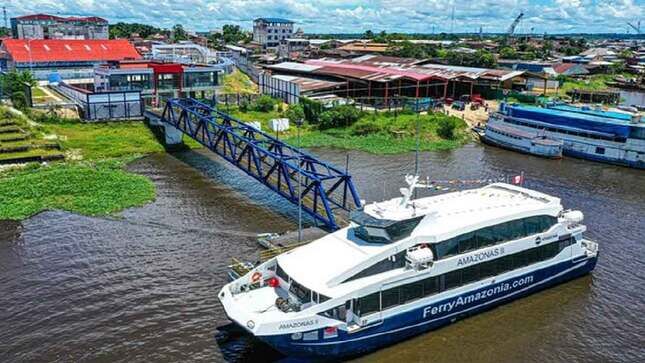
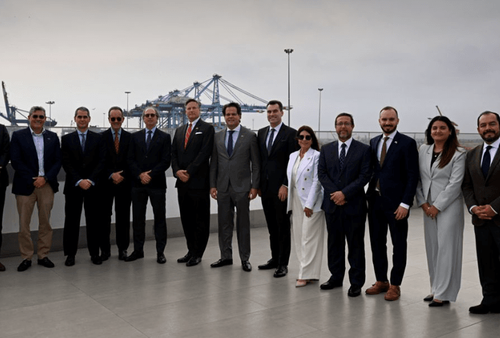
With the aim of strengthening aquatic transport management in the country, the Ministry of Transport and Communications (MTC) held the First National Aquatic Transport Meeting, an intergovernmental articulation space that brought together representatives from 18 regional governments, as well as National Government entities linked to the regulation, safety, and infrastructure of the sector.
The event was inaugurated by the Vice Minister of Transport, Juan del Carmen Haro Muñoz, who highlighted the importance of consolidating coordinated work between the National Government and regional governments to strengthen aquatic transport governance, improve service safety, and advance in the implementation of the current regulatory framework.
During the meeting, technical presentations were given on the main advances in public policies, strategic infrastructure, port planning, administrative authorizations, inspection, and navigation safety, with the participation of the General Director of Multimodal Transport Policies and Regulation, Tania Valle Manchego; the Director of Aquatic Transport and Logistics Policies and Standards, Mónica Zapata Chang; the Head of the Aquatic Material Department of DICAPI, Lieutenant Commander Mario Vásquez Cacho, and the specialist from the National Port Authority, Elar Salvador Granda.
Transport directors and officials from regional governments linked to aquatic transport management shared experiences, identified challenges, and proposed measures to strengthen the territorial management of the sector in fluvial, lacustrine, maritime, and aquatic tourism transport.
The meeting, which had a national scope, considered the diversity of aquatic transport services operating in different regions of the country and the need to promote an articulated implementation of public policies at all levels of government.
As a result of the event, the MTC will promote a joint work agenda with regional governments, aimed at strengthening technical assistance, identifying regulatory and institutional gaps, consolidating coordination mechanisms, and promoting agreements that contribute to improving the safety, quality, and formalization of aquatic transport nationwide. As well as a roadmap for monitoring actions between the National Government and the regions.