• 2 min de lectura
• 2 min de lectura
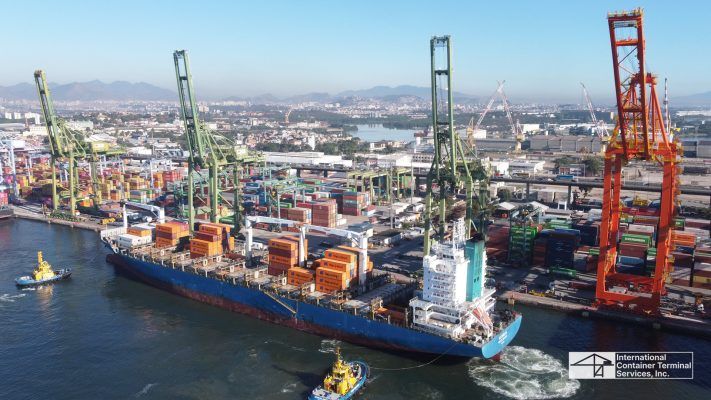
Rio Brasil Terminal (RBT), International Container Terminal Services, Inc. (Ictsi) operation at the Port of Rio de Janeiro, Brazil, is strengthening its cabotage connectivity with the incorporation of Norcoast's regular service last July.
The service manages national cabotage and feeder cargo, offering greater transport options for goods moving to and from Rio de Janeiro. In addition, it connects the state with the Manaus Free Trade Zone and other Brazilian ports, providing industries and clients with greater operational flexibility, predictability, and more efficient logistical alternatives.
RBT's location and intermodal connections also facilitate the transport of cargo from Rio de Janeiro and strategic regions such as Minas Gerais, inland São Paulo, and Greater São Paulo. The terminal's rail connections, including the Floriano (RJ), Suzano (SP), and São José dos Campos (SP) ramps, provide access to these markets and are reinforced by RBT's recent expansion in the Alto Tietê region.
Norcoast's call at RBT connects Rio de Janeiro with a broader cabotage network that includes the ports of Manaus (AM), Pecém (CE), Suape (PE), Salvador (BA), Santos (SP), Paranaguá (PR), and Itajaí (SC), supporting industrial flows and national distribution chains.
"The arrival of Norcoast at RBT reinforces the terminal's role in national logistics integration, contributing to the strengthening of cabotage and the competitiveness of the sector," stated Roberto Lopes, Executive Director of RBT.
"We are very excited about the launch of this operation. In addition to expanding options for the Rio de Janeiro market, this new route also opens opportunities for the São Paulo market, supported by RBT's rail connections and the Floriano (RJ), São José dos Campos (SP), and Suzano rail terminals, as part of our recent expansion in the Alto Tietê region," added Rafael Reis, Commercial Director of RBT.
For Norcoast, the inclusion of RBT in its regular route is part of its strategy to expand its cabotage reach by growing its portfolio and network. The company keeps up with the demand from sectors such as consumer goods, steel, and beverages, while seeking to generate value through increased supply, fostering cabotage, and regional development.