• 3 min de lectura
• 3 min de lectura
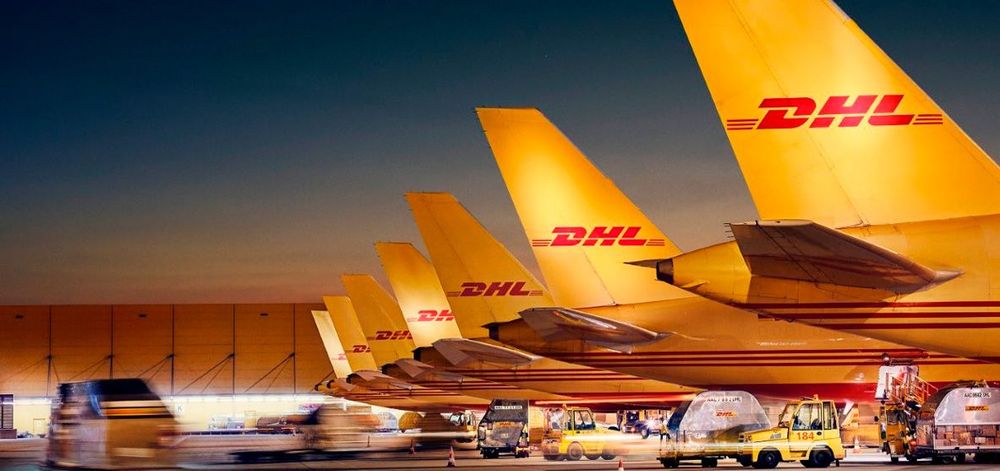
DHL Global Forwarding announced a new regional logistics strategy with the implementation of a hub model in Brazil. By utilizing Guarulhos (GRU) and Viracopos (VCP) airports as strategic gateways, the company reinforces the country's role as a cargo distribution center between Asia, Europe, and the Americas.
The company projects a growth of up to 30% in consolidated cargo volume by the end of 2026. This means the company will expand the use of Brazil's extensive connectivity to supply markets in Latin America with greater agility. The model already demonstrates efficiency gains with operational optimization targets ranging from 10% to 30%.
According to the company, this decision reinforces Brazil's role in the international logistics network by leveraging its privileged geographical location, the robustness of its airport infrastructure, and the country's high air connectivity. Historically, cargo from Asia or Europe destined for Southern Cone countries was often sent via Miami, from where it was redistributed. However, this new model reverses this logic.
"Brazil is prepared to be the logistics protagonist of the region and assume an increasingly prominent role in the global logistics scenario. We have the infrastructure for complex operations and a location that allows us to offer competitive transit times with major global gateways," stated Eric Brenner, CEO of DHL Global Forwarding for Brazil.
The airports will have complementary roles in the strategy developed by DHL Global Forwarding. Guarulhos offers a higher frequency of flights for quick connections, while Viracopos absorbs demands for larger cargo with the same connection agility. The focus is on the transport of general and dry cargo, serving industries that demand technical rigor and speed, such as technology, automotive, engineering and manufacturing, and oil and and gas – segments that tend to capture the greatest gains in efficiency and competitiveness with the new regional consolidation model.
By keeping cargo within the customs zone, unlike what happens in other global gateways, the logistics company drastically reduces handling and associated risks, critical factors for high-value-added goods. The operation becomes more agile and digital with solutions that allow international transit to be managed securely and standardized.
For the market, the main attraction is tariff competitiveness. "Brazil has an air frequency of over 600 international flights per month, which allows us to optimize routes. In recent years, the country has registered a surplus in merchandise values, with exports exceeding imports. This revision in the logistics operation model is an intelligent way to take advantage of this air network and offer a robust logistics alternative for the region, which often relies excessively on passenger flights with limited capacity," explained André Maluf, the company's Air Product Director.
The agility of the hub is driven by advances in connected customs systems, which have made fully digital and standardized processes possible. In addition to the financial benefit, the strategy contributes to DHL's sustainability goals of achieving zero emissions by 2050, by optimizing routes and maximizing the occupation of aircraft that would already be in operation.
With the maturation of this ecosystem by 2026 and the favorable scenario of international agreements such as EU-Mercosur, DHL consolidates Brazil not only as a stopover but as the engine of logistics efficiency in the Southern Hemisphere.