• 2 min de lectura
• 2 min de lectura
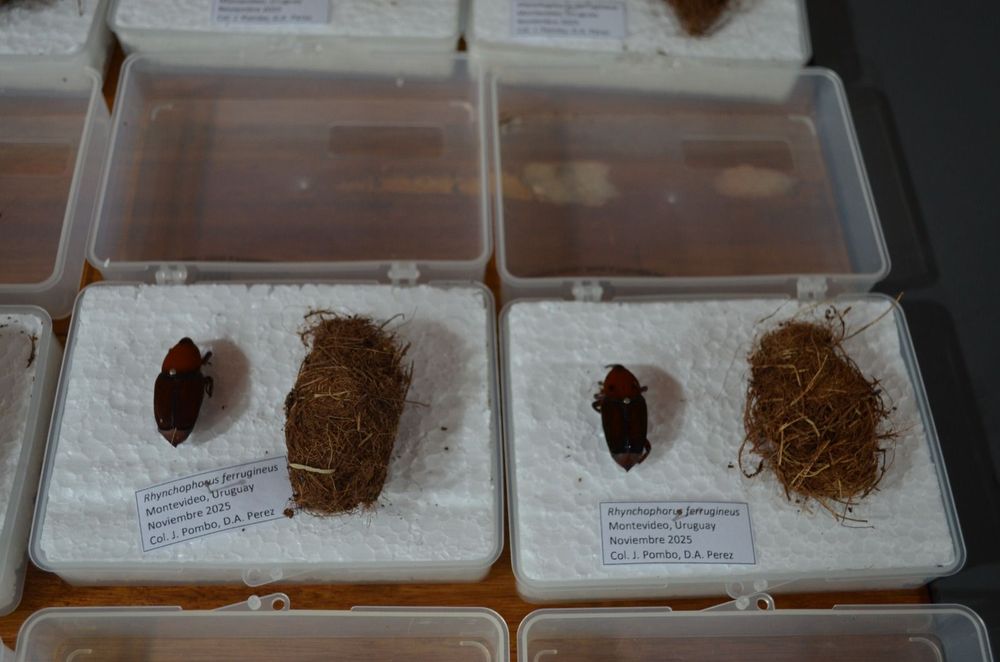
The National Service of Agrifood Health and Quality (SENASA) lectured on the prevention of the red palm weevil ( Rhynchophorus ferrugineus) and highlighted the importance of immediate notification of any suspected presence of the pest, during its participation in the “60 years of El Palmar National Park” cycle, organized jointly by the protected area and the Provincial Image Museum in Concordia, Entre Ríos province.

During the meeting, SENASA addressed the threat that this pest, present in the Oriental Republic of Uruguay and detected at the beginning of 2026 on Martín García Island, poses to local biodiversity, but is considered an absent pest of quarantine importance in the continental territory of Argentina.
Professionals from the Regional Plant Protection Coordination of SENASA's Entre Ríos Regional Center reported on the biology of this insect, the symptoms of infestation, and the appropriate techniques for taking and conditioning samples, while also explaining the severe damage it can cause to native and ornamental palm trees.
SENASA specialists emphasized that the biggest challenge with the red palm weevil lies in its biological behavior, as the larvae feed on the internal tissues of palm trees, and the damage remains hidden until it is very advanced.

Regarding the characteristics of the pest, the red palm weevil is identified by its reddish or orange body with black spots, up to 5 centimeters long, with a head featuring a snout. Its danger lies in the fact that its larvae cause severe damage by feeding on the inside of the stipe, digging galleries and causing the palm tree to decline and die in a short time.
SENASA's Entre Ríos Regional Center coordinates its prevention actions with local municipalities and communes, with provincial representatives, and with National Parks, among other institutions, to verify the phytosanitary situation of each department, manage citizen reports of suspected insect presence, and ensure a rapid response to contain potential outbreaks.

With these actions, SENASA reinforces its commitment to protecting Argentina's natural heritage and preventing the entry of pests that could affect biodiversity and national production.
In case of suspected presence of red palm weevil or symptoms compatible with the pest in palm trees, it should be reported to SENASA, through the website of the National Pest Surveillance and Monitoring System (SINAVIMO) or by contacting the nearest Agency office.