• 2 min de lectura
• 2 min de lectura
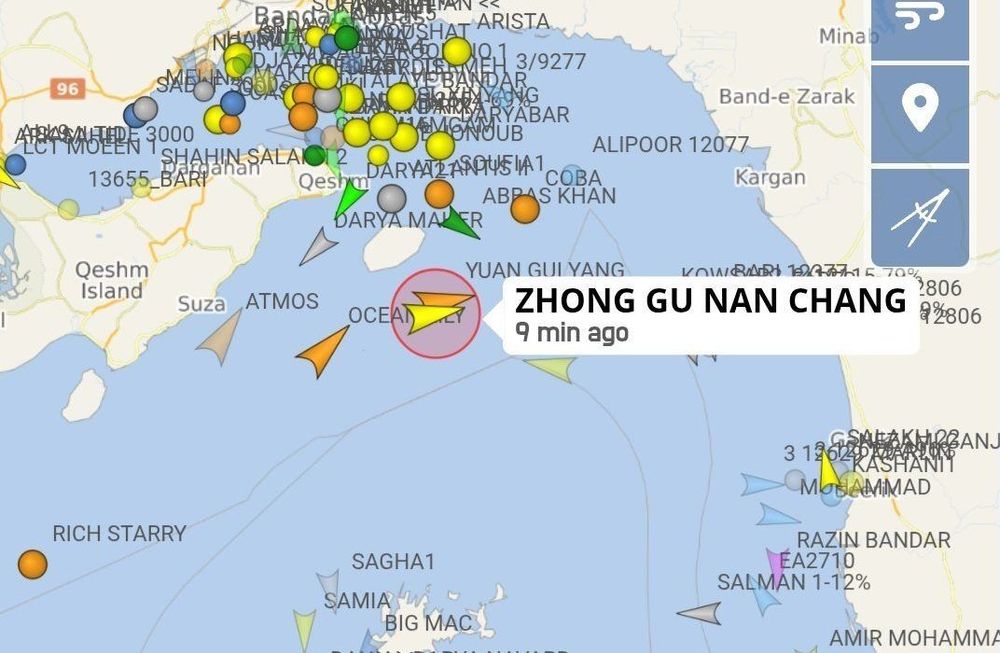
A Chinese-operated container ship was among the few vessels that crossed the Strait of Hormuz in the last 24 hours. This occurs amid growing uncertainty about the reopening of this critical maritime route, while talks to reach an agreement between the United States and Iran remain stalled.
Before the war against Iran began on February 28, traffic through the strait registered an average of 125 to 140 daily passages. Due to the conflict, some 20,000 sailors remain stranded inside the Persian Gulf aboard hundreds of vessels.
Maritime traffic has registered an average of 10 ships entering and exiting the strait in recent days, including cargo ships and other units such as chemical tankers and liquefied petroleum gas tankers, while crude oil tankers continue to represent a smaller proportion of the total volume, according to a Reuters analysis based on ship tracking data.
The Chinese-flagged container ship Zhong Gu Nan Chang, 228 meters long and 40 meters wide, crossed the strait in the last 24 hours, according to satellite analysis by the data analysis specialist firm SynMax.
Most of the other 10 vessels that made crossings were dry bulk carriers and container ships entering the Persian Gulf, while only one Iran-linked tanker crossed towards the Gulf of Oman, according to analysis by SynMax and Kpler.
A fragile ceasefire remains in effect, but no significant progress has been made in peace efforts. The US blockade of Iranian ports and Tehran's control over the Strait of Hormuz – a vital route for global oil supply – complicate negotiations mediated by Pakistan.
"We have been disappointed before," maritime broker Fearnleys noted in a report this week, referring to indications that there might be progress towards an agreement.
"We need the sea lanes to open, that's for sure, both for the shipping industry and, equally, for the global economy. Meanwhile, the market remains the same," it concluded.
Source: portalportuario